
Sobre GJF
GJF se rige por la filosofía de cooperación basada en «integridad, innovación, altruismo y beneficio mutuo». Nos dedicamos de todo corazón a servir a nuestros clientes y nuestro objetivo es lograr situaciones de beneficio mutuo en el futuro mercado de recambios de automoción.
Obtener presupuesto gratis
Noticias
20
Sep
Why Do CV Joints Go Bad? - GJF Auto Parts
Introduction
Your car’s CV joint (constant velocity joint) is one of those components you rarely think about—until it fails. When it does, it can lead to loud clicking noises, poor handling, and in worst cases, a total loss of drive. This article takes a deep dive into the reasons CV joints fail, what symptoms to watch for, and how to extend their lifespan. By the end, you’ll understand not only the causes but also the solutions to keep your vehicle running smoothly.
What Exactly Does a CV Joint Do?
The CV joint is a critical link in your drivetrain. It connects the transmission to the wheels, allowing power to transfer smoothly even when the suspension moves up and down or the wheels turn. Without it, front-wheel-drive cars couldn’t steer while moving power to the wheels.
Unlike universal joints (U-joints), which operate effectively at limited angles, CV joints are designed for constant velocity at greater ranges of motion. This makes them perfect for modern vehicles where efficiency and handling are priorities. But despite their robust design, they are not indestructible—dirt, wear, and neglect often spell trouble.
Primary Reasons Why CV Joints Go Bad
Several factors contribute to CV joint wear and eventual failure. Understanding these causes can help drivers maintain their vehicles better and avoid costly breakdowns.
1. Torn or Damaged CV Boots
The most common reason a CV joint goes bad is a torn boot. The CV boot is a rubber or thermoplastic cover that seals in grease and keeps contaminants out. Once torn, grease leaks out, and dirt, sand, and water quickly enter the joint. Without lubrication, the metal components grind against each other, accelerating wear.
Key fact: A CV joint can survive over 100,000 miles with a healthy boot, but only a few thousand miles once the boot is compromised.

2. Lack of Proper Lubrication
Even if the boot isn’t visibly damaged, age can cause the grease inside to degrade. As the grease breaks down, it loses its protective qualities, leading to friction and overheating. Without adequate lubrication, the joint’s bearings and races wear rapidly.
3. Normal Wear and Tear
Every moving part has a lifespan, and CV joints are no exception. Over years of use, especially in vehicles driven aggressively or frequently on rough terrain, the joint surfaces naturally wear down. Eventually, they loosen and begin producing telltale clicking noises.
4. Harsh Driving Conditions
Driving on rough, uneven, or off-road terrain puts additional stress on CV joints. Constant sharp turns, heavy acceleration, and carrying excessive loads all contribute to premature failure. Vehicles in snowy or salty environments are especially vulnerable because road salt accelerates boot deterioration and joint corrosion.
Warning Signs of a Failing CV Joint
Knowing the early symptoms of CV joint problems can save you from a sudden breakdown.
| Symptom | What It Means | Action to Take |
|---|---|---|
| Clicking or popping when turning | The joint is worn and loosening | Inspect CV boots and joints immediately |
| Vibration during acceleration | Imbalance or worn joint bearings | Check CV axle assembly |
| Grease on tires or undercarriage | Torn CV boot leaking grease | Replace boot before joint is ruined |
| Knocking noise from suspension | Internal joint damage | Likely needs replacement |
Ignoring these signs often leads to complete joint failure, where the axle can no longer transfer power to the wheels—stranding you roadside.
How Driving Habits Affect CV Joint Lifespan
Your driving style has a direct impact on CV joint health.
Aggressive Acceleration:Hard launches put enormous torque on CV joints, especially in front-wheel-drive vehicles. Over time, the bearings inside the joint wear unevenly, shortening lifespan.
Sharp and Frequent Turns:Every turn forces the CV joint to operate at extreme angles. Frequent tight cornering—common in city driving—creates stress that accelerates wear.
Off-Roading and Rough Terrain:Constant exposure to dirt, mud, rocks, and water increases the risk of CV boot damage. Once compromised, the joint quickly follows.
Pro tip: Smoother driving, avoiding potholes, and taking turns at moderate speeds are simple habits that extend CV joint life.
Preventing CV Joint Failure
Preventive care is often cheaper than full replacement. Below are practical measures:
| Prevention Step | Why It Helps |
|---|---|
| Inspect CV boots every oil change | Catches small cracks before they tear |
| Replace torn boots promptly | Saves the joint from contamination |
| Use high-quality replacement grease | Maintains lubrication and reduces friction |
| Wash undercarriage in winter | Removes salt that corrodes boots |
| Drive smoothly and avoid overloading | Reduces unnecessary strain |
By maintaining the CV boot and practicing careful driving, most CV joints can last the lifetime of the vehicle.
Repair vs. Replacement: What’s the Better Option?
When faced with a bad CV joint, drivers often wonder whether to replace the joint itself, the entire axle, or just the boot.
| Option | When to Choose It | Cost Factor |
|---|---|---|
| Boot replacement | Boot is torn but joint is still intact | Least expensive, but labor-intensive |
| CV joint replacement | Joint is worn, but axle shaft is good | Moderate cost, requires precise work |
| Entire CV axle replacement | Joint and shaft are both worn, or labor cost is high | Most common modern solution, affordable aftermarket parts |
In most cases, mechanics recommend replacing the entire CV axle. It’s often quicker, ensures fresh components throughout, and is cost-effective compared to labor-intensive joint rebuilding.
How Long Do CV Joints Typically Last?
With proper care, a CV joint can last well over 100,000 miles. Some drivers report reaching 200,000 miles without a single replacement. However, neglecting boot maintenance drastically reduces that number.
General guideline:
Well-maintained CV joint: 100,000–200,000 miles
Torn boot, no repair: As little as 5,000–20,000 miles before failure
This wide range shows how much maintenance and driving style influence longevity.
Conclusion
Why do CV joints go bad? The answer lies in a mix of torn boots, lack of lubrication, environmental exposure, and aggressive driving habits. The good news: most failures are preventable with regular inspections and prompt repairs. By watching for early warning signs, taking care of your CV boots, and adjusting your driving habits, you can dramatically extend the lifespan of your CV joints and avoid costly roadside breakdowns.
FAQ
1. Can I drive with a bad CV joint?
Not for long. A failing CV joint can leave you stranded when it fully breaks. It’s unsafe and should be repaired quickly.
2. What happens if a CV joint breaks while driving?
You’ll likely lose power to the affected wheel. The car may stop moving entirely, even if the engine runs.
3. How much does it cost to replace a CV joint or axle?
Costs vary widely—boot replacement may be under $200, while full axle replacements often run $300–$800 depending on the vehicle.
4. Do rear-wheel-drive cars have CV joints?
Yes, many independent rear suspensions use CV joints, though solid-axle setups rely on different mechanisms.
5. Is it better to replace just the boot or the whole axle?
If caught early, replacing just the boot is cheaper. But if the joint is already noisy, a full axle replacement is usually the smarter choice.
Etiquetas :
Publicaciones recientes

Artículos relacionados

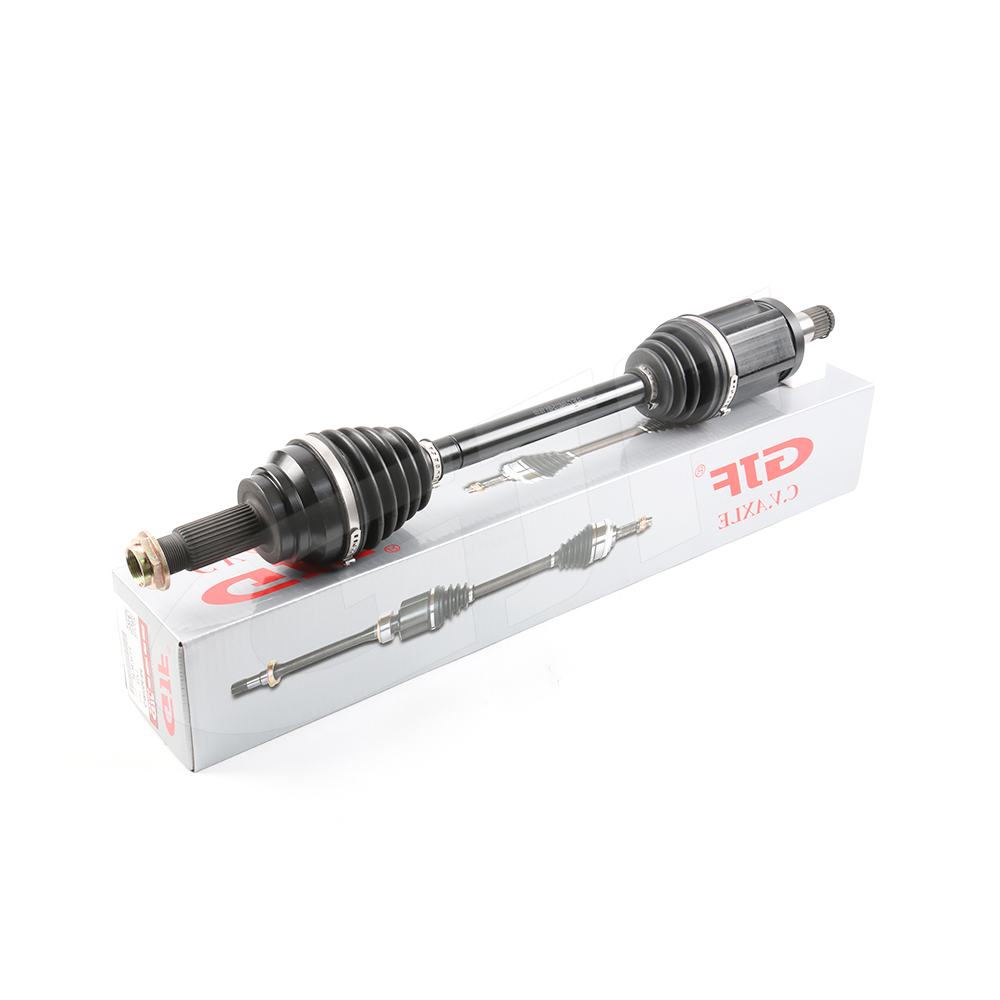

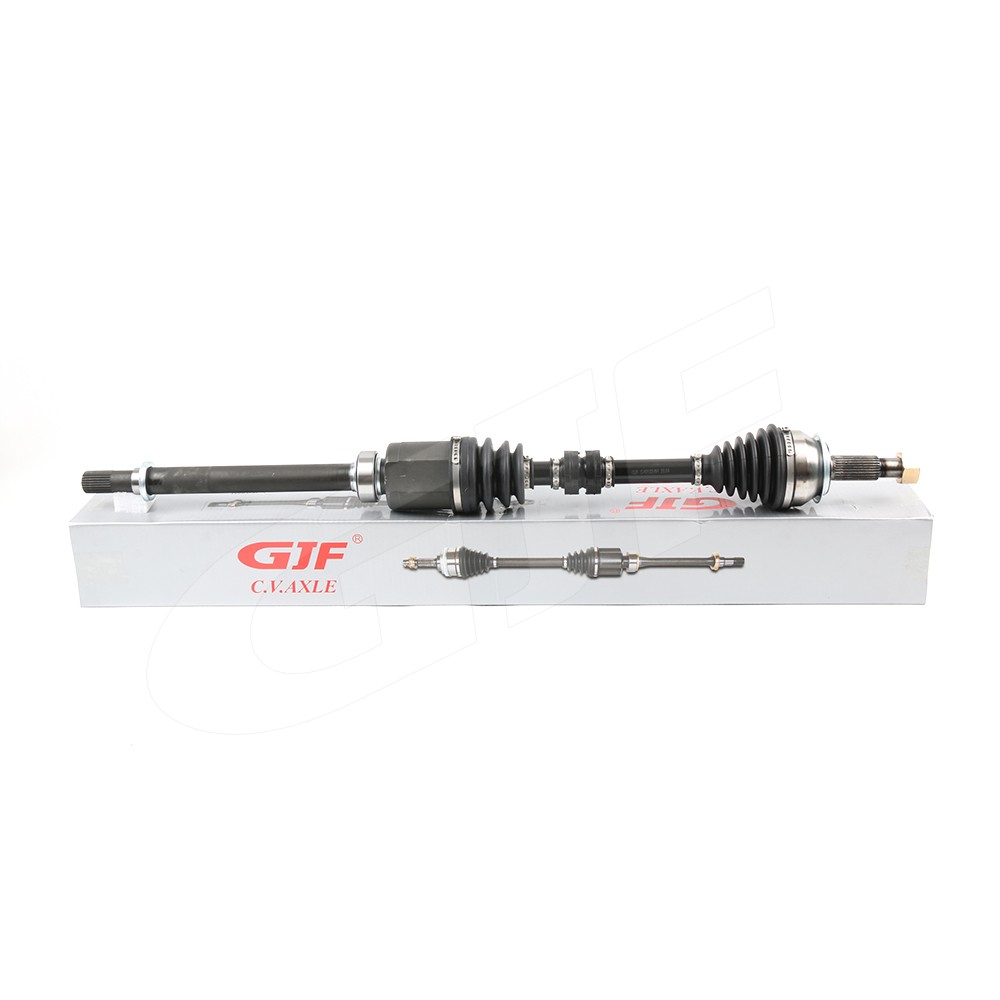
GJF Automotive Parts For Nissan Drive Shaft 39100-4BB0B In Stock
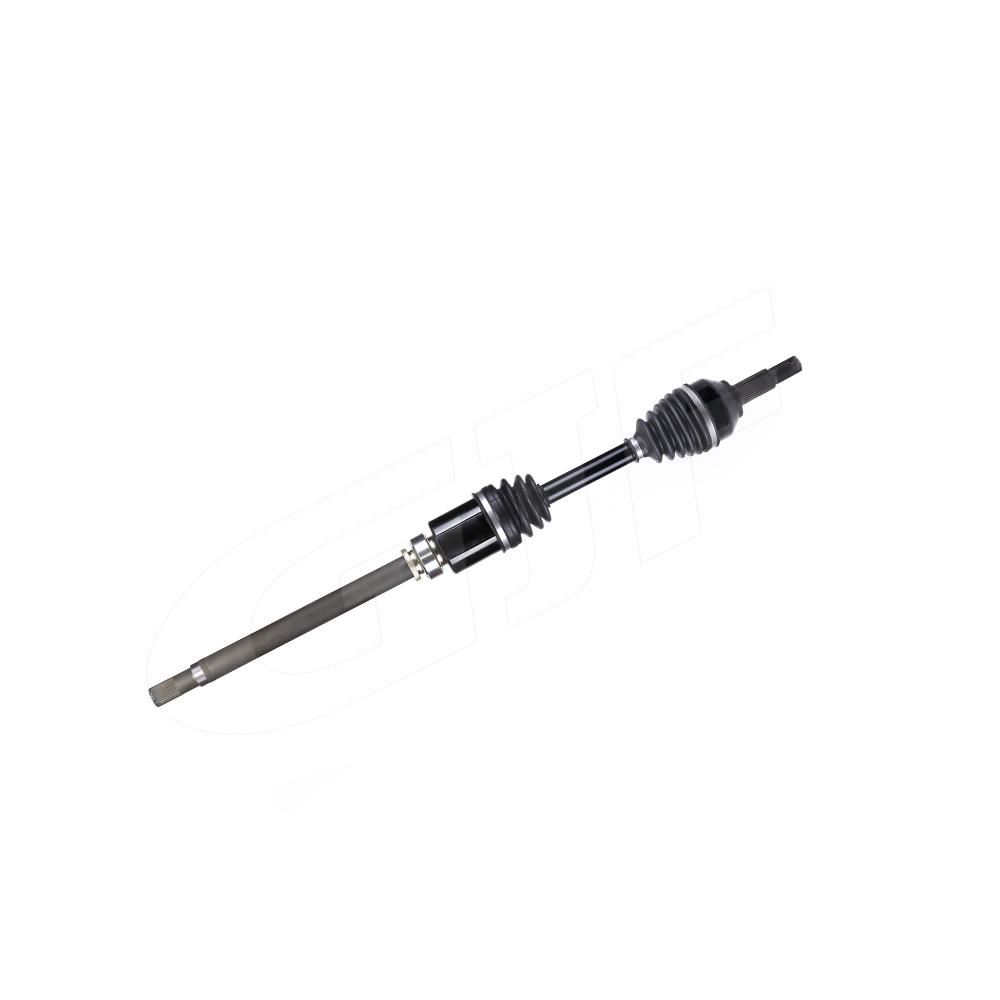
GJF Auto Transmission Parts Drive Shaft 39100-1DA4E
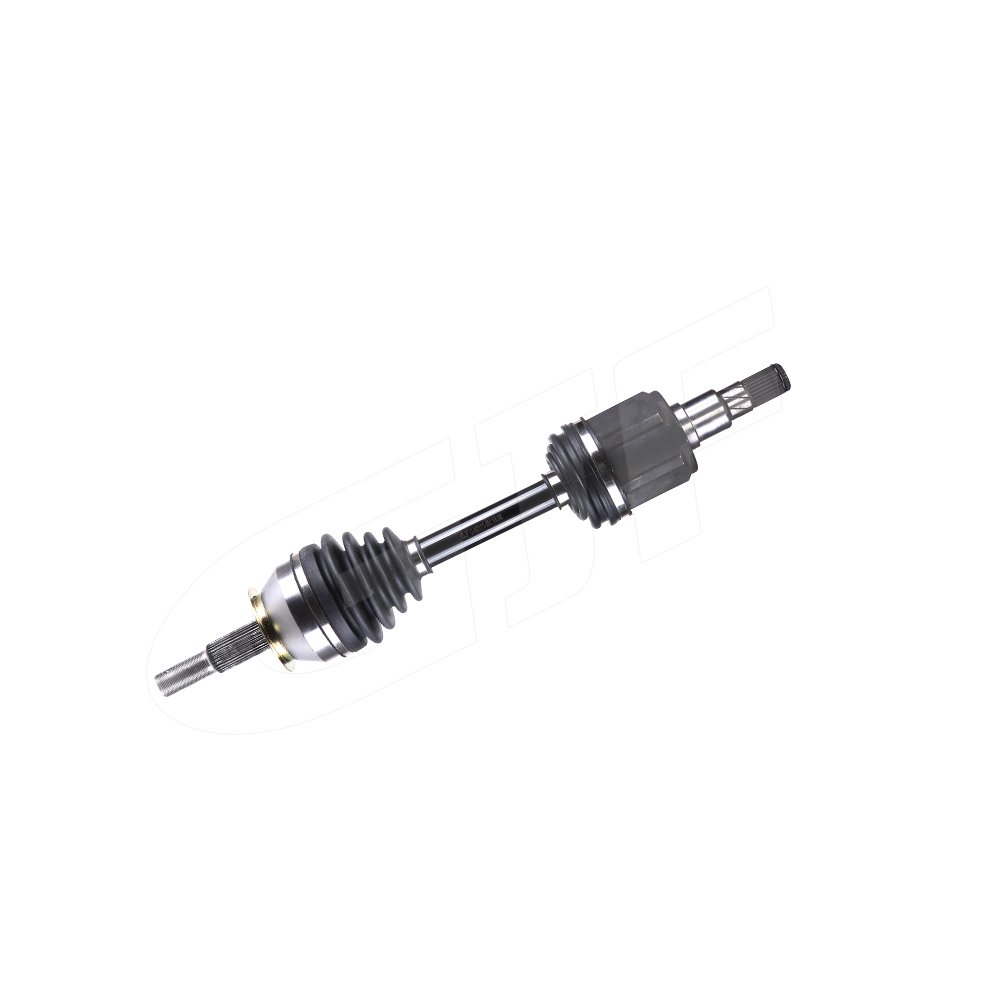
39100-2ZG0A CV Axle Drive Shaft Nissan Navara NP300
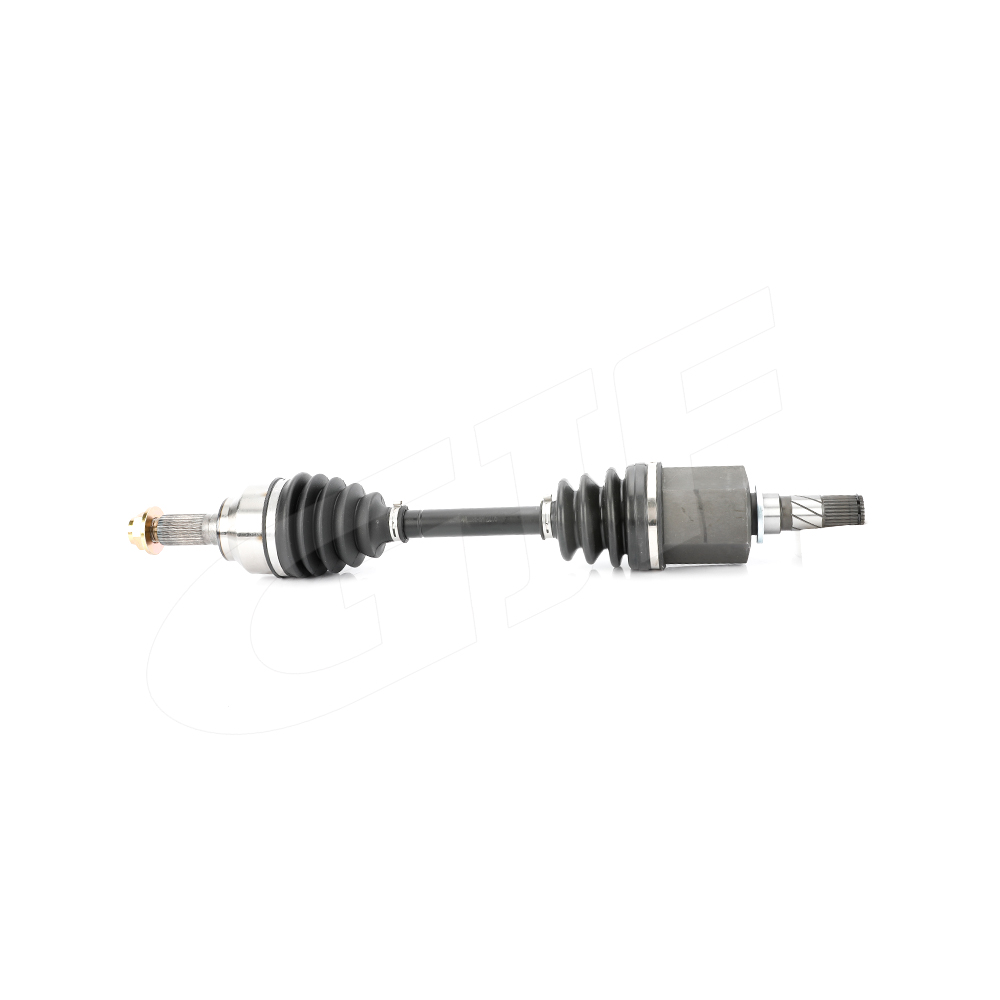
Car Parts CV Axle Drive Shaft For Mazda 5 CR19 GG3425600G GG2725500G
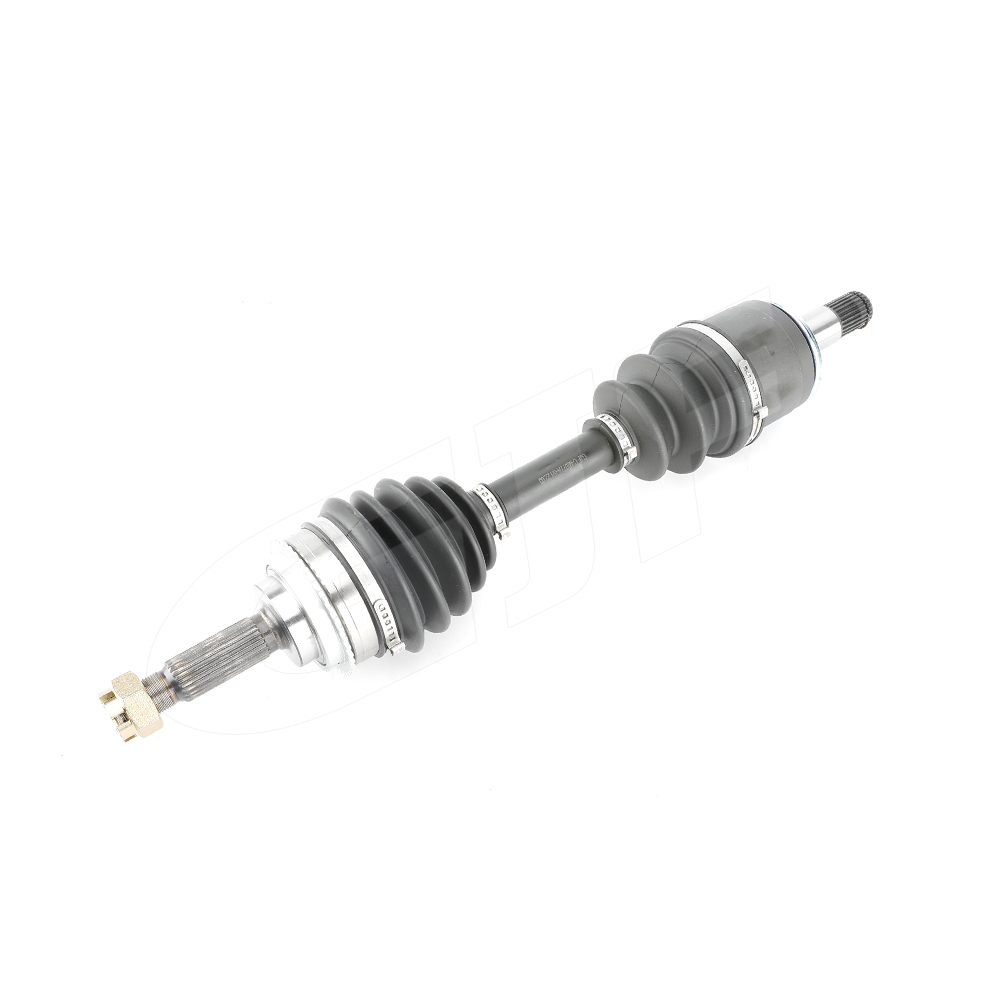
Japanese Car Parts Drive Shaft For Mitsubishi Pajero MR515191 MR515192
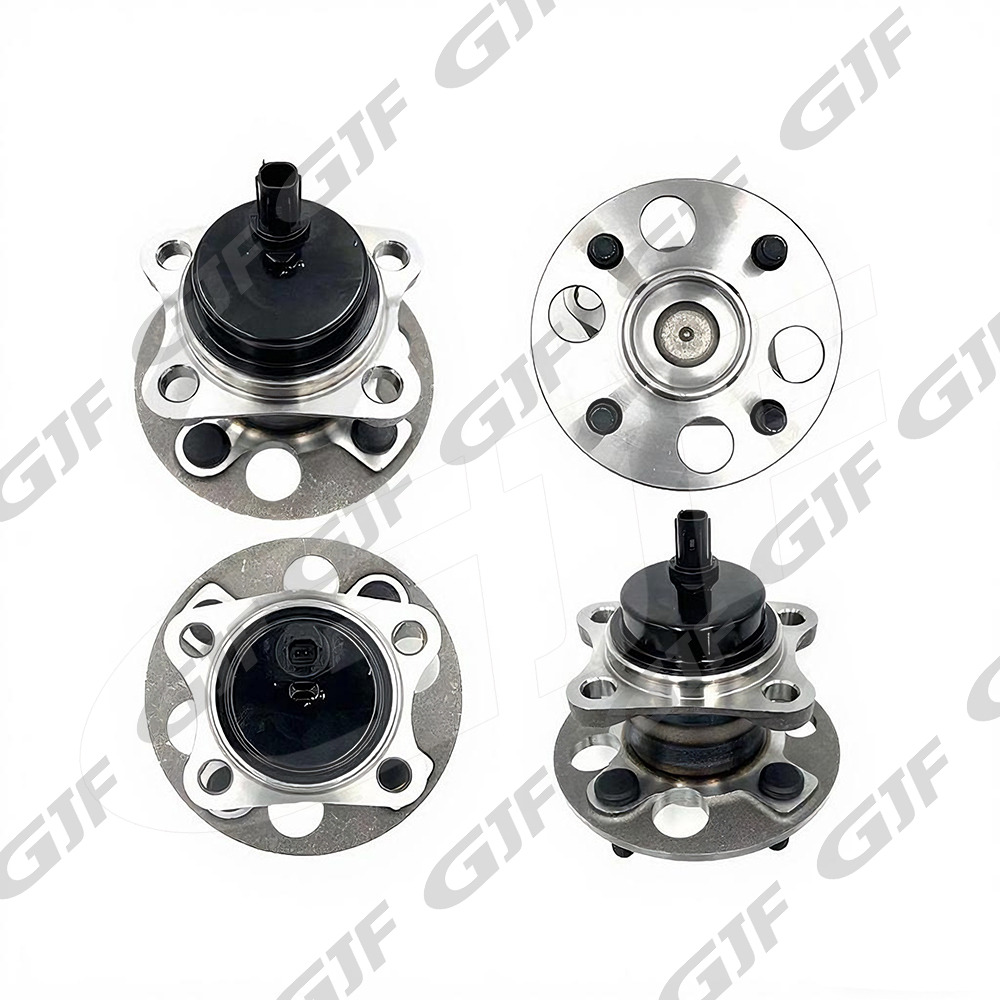
Auto Parts Wheel Hub Bearing For Toyota YARIS 42450-52060
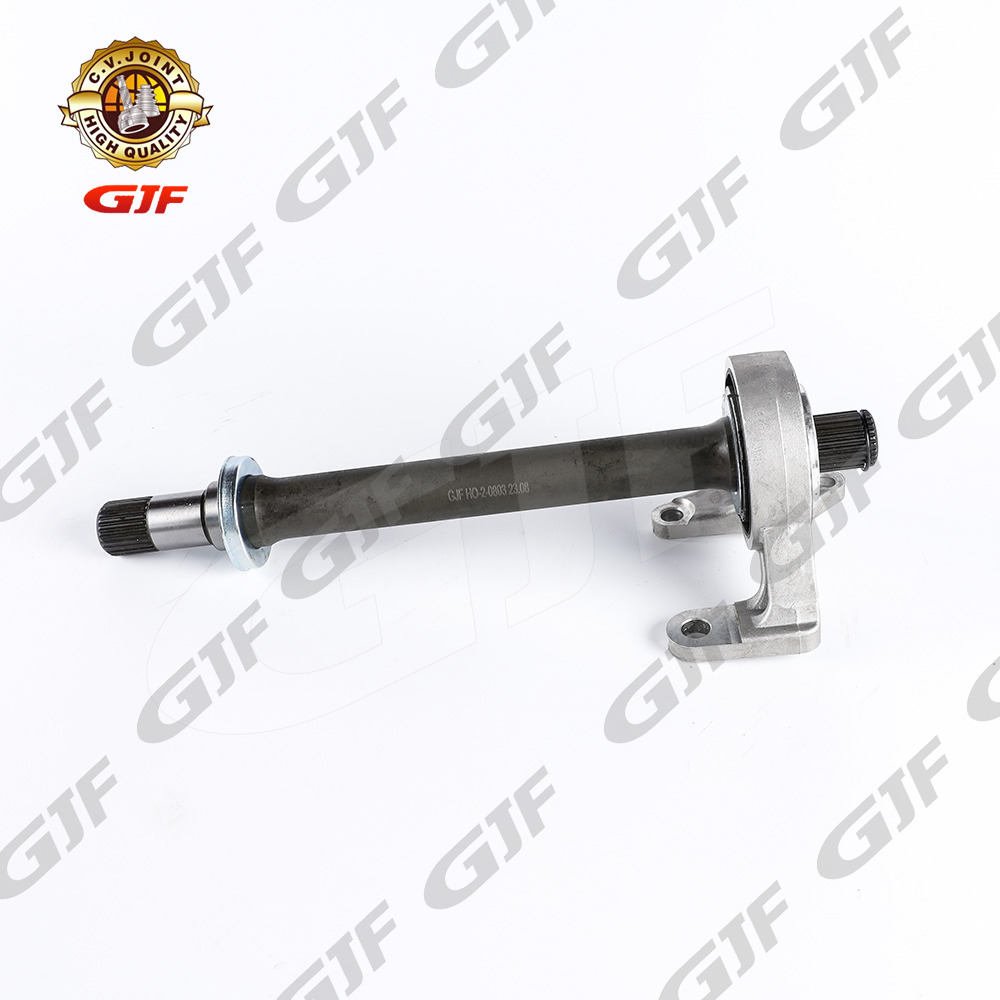
Auto Parts Intermediate Shaft Assembly For Honda CR-V CIVIC 44500-SWC-E00
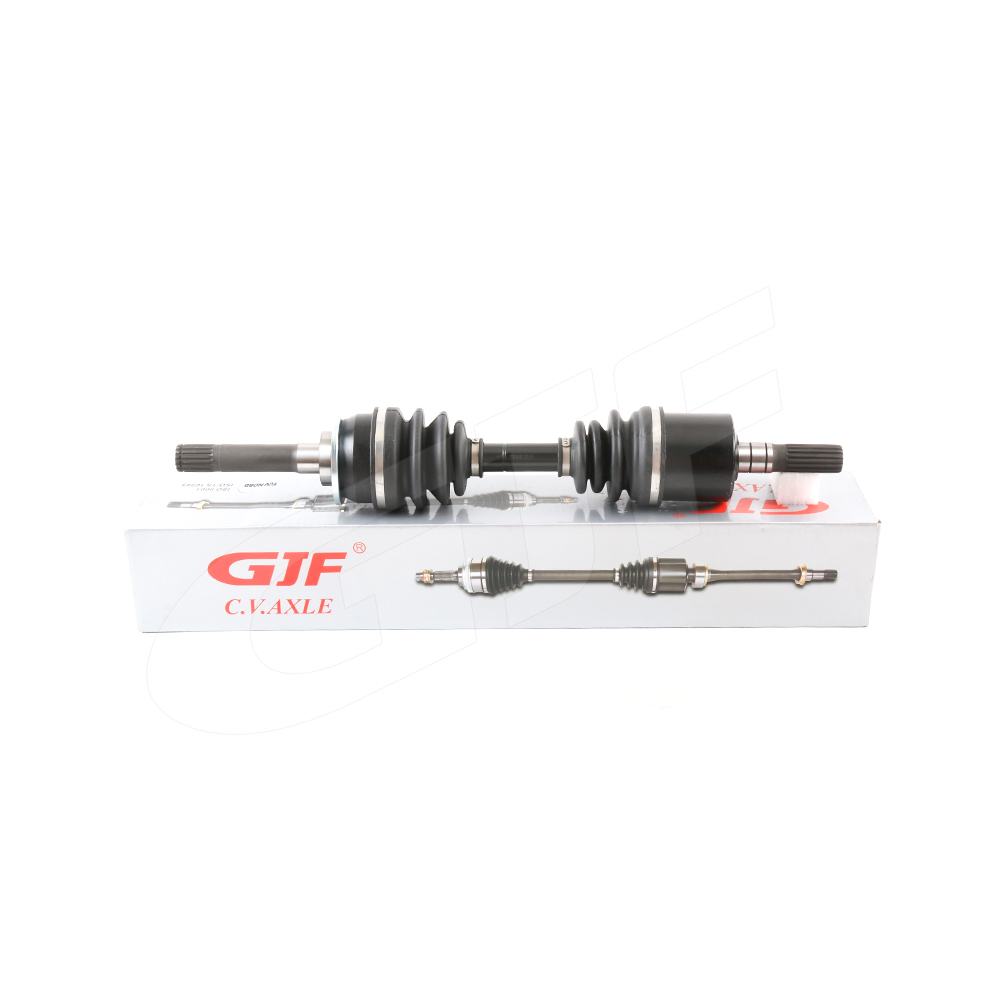
Automotive Parts Drive Shaft For Isuzu D-MAX Colorado 8972156971
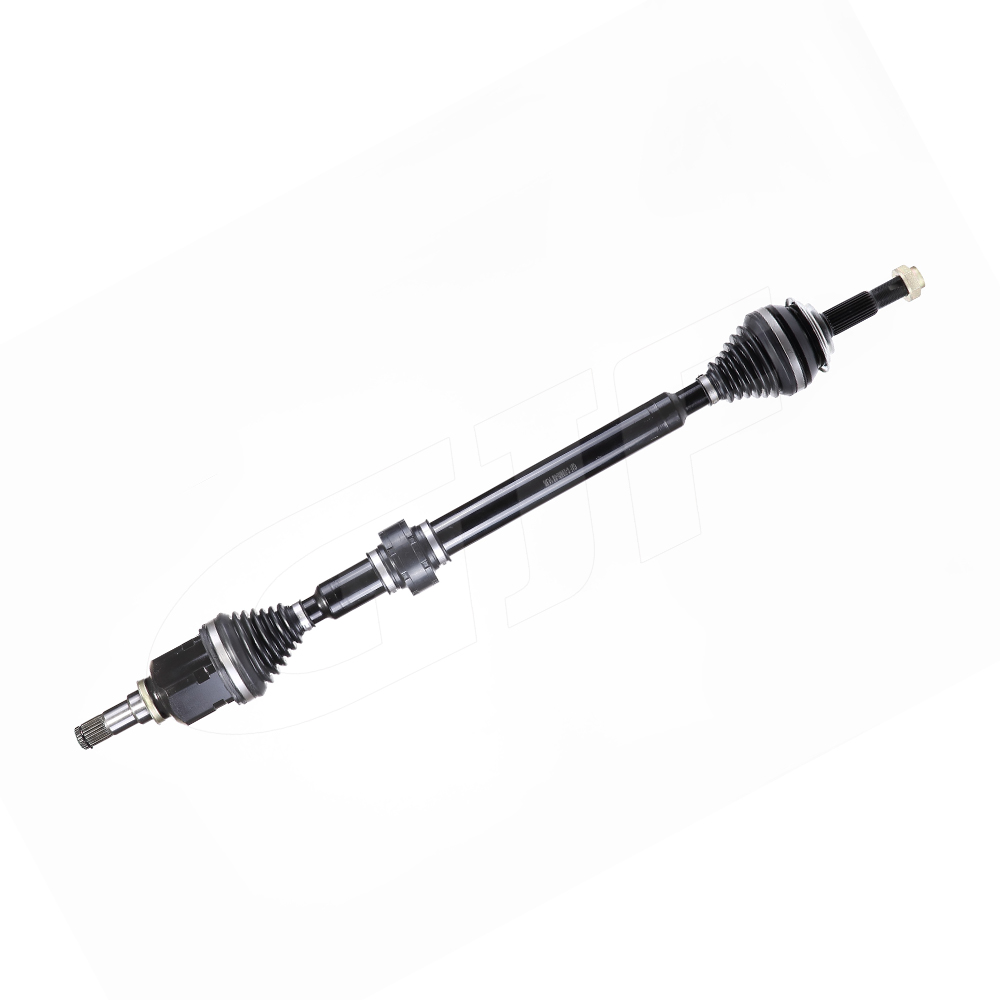
GJF For Toyota Corolla Car Parts Drive Shaft 43410-02620