Sobre GJF
GJF se rige por la filosofía de cooperación basada en «integridad, innovación, altruismo y beneficio mutuo». Nos dedicamos de todo corazón a servir a nuestros clientes y nuestro objetivo es lograr situaciones de beneficio mutuo en el futuro mercado de recambios de automoción.
Obtener presupuesto gratis
Noticias
24
Jun
How To Know If Inner Cv Joint Is Bad - GJF
How To Know If Inner CV Joint Is Bad - GJF
The inner CV joint is an important part of a vehicle's drivetrain. It transfers power from the transmission or differential to the drive shaft while allowing the suspension and drivetrain to move smoothly.
Over time, an inner CV joint can wear due to high mileage, lack of lubrication, damaged CV boots, contamination, or heavy driving conditions. Knowing the common bad inner CV joint symptoms can help identify a problem before it causes further drivetrain damage.
In this guide, GJF explains how to tell if an inner CV joint is bad, the most common symptoms, and when replacement may be necessary.
What Is an Inner CV Joint?
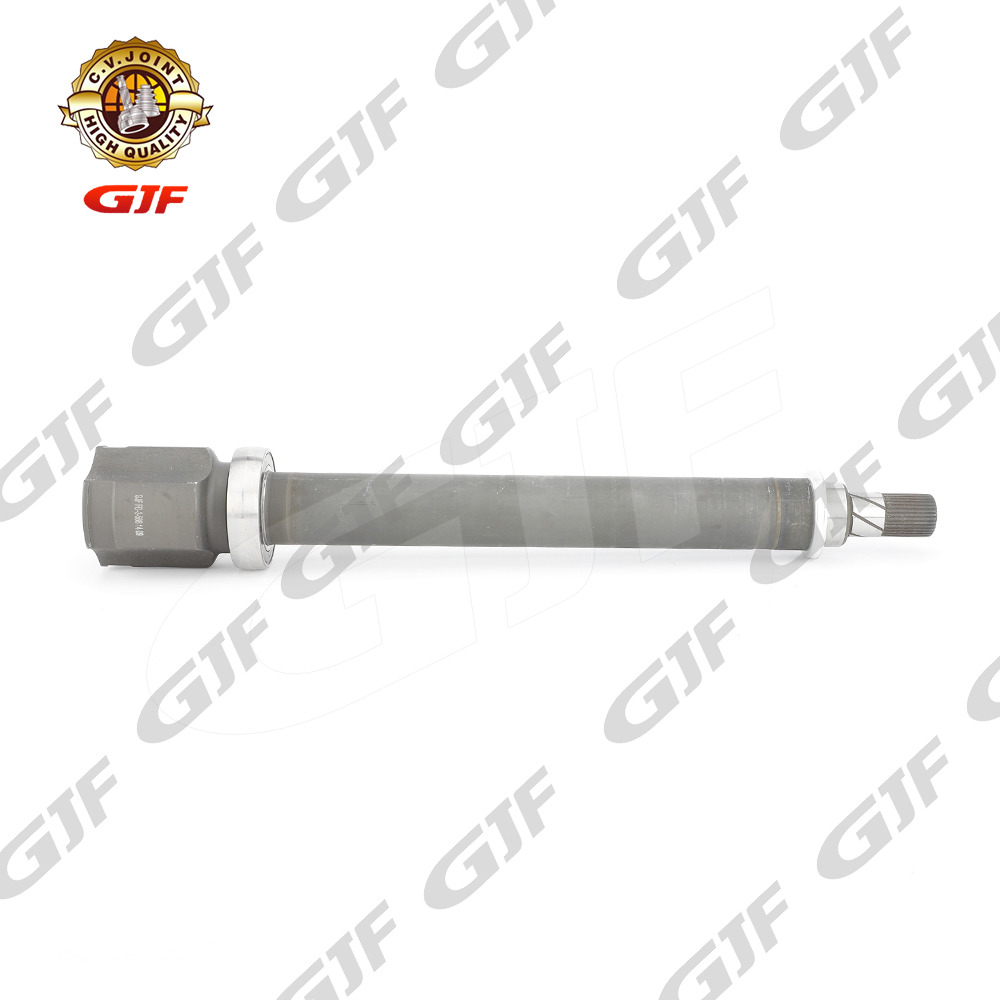
An inner CV joint (constant velocity joint) connects the drive shaft to the transmission or differential. It allows the drive shaft to change its operating angle and, depending on the joint design, accommodate changes in length as the suspension moves.
Compared with an outer CV joint, the inner CV joint is more closely associated with the transmission side of the drive shaft and is designed to handle continuous torque and drivetrain movement.
A properly working inner CV joint helps provide smooth power transmission and minimize drivetrain vibration.
7 Signs of a Bad Inner CV Joint
1. Vibration During Acceleration
One of the most common inner CV joint symptoms is vibration during acceleration.
If the joint has excessive internal wear or damage, the drive shaft may not operate smoothly under load. You may feel vibration through the floor, seat, or steering wheel, particularly when accelerating from a low speed.
A useful clue is that the vibration becomes stronger when accelerating and may decrease when you release the accelerator.
However, similar symptoms can also come from a worn drive shaft, engine mount, wheel, tire, or other drivetrain components.
2. Clunking or Knocking Noise
A worn inner CV joint may produce a clunking or knocking sound when the vehicle changes between acceleration and deceleration.
For example, you may notice a noise when:
- Accelerating after coasting
- Releasing the accelerator
- Shifting between drive and reverse
- Changing the drivetrain load
This can happen when excessive clearance develops between internal CV joint components.
A clunk does not always mean the inner CV joint is defective, so other drivetrain components should also be inspected.
3. Excessive Play
Excessive movement is another possible sign of an inner CV joint failure.
During inspection, a technician can check the drive shaft and CV joint for abnormal movement. Some axial movement can be normal because certain inner CV joint designs are designed to provide plunge movement.
The concern is excessive or abnormal play, especially when it is accompanied by noise, vibration, or rough movement.
4. Grease Leakage
The CV joint requires proper lubrication to reduce friction and wear. The CV joint boot keeps grease inside the joint and protects it from dirt and water.
If the boot becomes cracked, torn, or loose, grease may leak out.
Look for:
- Grease around the inner CV boot
- Cracks or tears
- Loose boot clamps
- Grease on nearby drivetrain components
A damaged boot does not always mean the CV joint itself has failed. If the joint has not been contaminated or damaged, replacing the boot and grease may prevent further wear.
5. Shuddering Under Load
A worn inner CV joint can sometimes cause a shudder or judder when the vehicle is accelerating.
The symptom may become more noticeable when:
- Accelerating uphill
- Carrying a heavy load
- Accelerating from a low speed
- Driving under high torque
Because the inner CV joint transfers engine torque while allowing drivetrain movement, internal wear can become more obvious when the joint is heavily loaded.
6. Damaged CV Boot
The CV boot is an important protective component. Once it is damaged, contaminants can enter the joint and the grease can escape.
A torn boot should therefore be inspected as soon as possible, even if there are no obvious bad inner CV joint symptoms yet.
Early CV boot replacement can sometimes prevent the need for a complete CV joint replacement.
7. Abnormal Movement or Roughness
During a professional inspection, abnormal movement, rough operation, or unusual resistance can indicate internal CV joint wear.
The joint may need to be removed for further inspection if external symptoms cannot clearly identify the problem.
Because several drivetrain components can produce similar symptoms, a complete diagnosis is recommended before replacing the inner CV joint.
How To Check an Inner CV Joint
If you suspect an inner CV joint problem, a technician can follow several basic inspection steps:
1. Road test the vehicle
Pay attention to vibration, shudder, and clunking during acceleration and deceleration.
2. Inspect the CV boot
Check for cracks, tears, loose clamps, and grease leakage.
3. Inspect the drive shaft
Look for abnormal movement, damage, or other visible problems.
4. Check for excessive play
Compare the movement with the vehicle manufacturer's specifications.
5. Inspect the joint if necessary
If symptoms indicate internal damage, the inner CV joint may need to be removed and inspected.
Always follow proper workshop safety procedures when inspecting components underneath a vehicle.
Inner CV Joint vs. Outer CV Joint Symptoms
Knowing the difference between inner and outer CV joint symptoms can help with diagnosis.
Inner CV joint problems are more commonly associated with:
- Vibration during acceleration
- Shudder under load
- Clunking during load changes
- Excessive movement
Outer CV joint problems are more commonly associated with:
- Clicking or popping while turning
- Noise during tight turns
- Symptoms that become more noticeable when steering under power
These are general diagnostic patterns. The exact symptoms can vary depending on the vehicle and CV joint design.
Can You Drive With a Bad Inner CV Joint?
Driving with a seriously worn or damaged inner CV joint is not recommended.
A minor CV boot problem may be repairable before the joint itself becomes damaged. However, continued driving with a worn CV joint can increase vibration, accelerate component wear, and potentially lead to drivetrain failure.
If you notice severe vibration, loud knocking, significant grease leakage, or obvious mechanical damage, have the vehicle inspected promptly.
When Should You Replace an Inner CV Joint?
An inner CV joint should generally be replaced when it has confirmed internal wear, excessive play, damaged components, or other conditions that affect reliable operation.
If only the CV boot is damaged and the joint remains in good condition, replacing the CV joint boot may be sufficient.
When selecting a replacement inner CV joint, always confirm the vehicle application, OE number, spline specifications, dimensions, and other fitment requirements.
Correct fitment is essential for reliable performance.
FAQ About Inner CV Joints
What are the most common bad inner CV joint symptoms?
Common symptoms include vibration during acceleration, clunking noises, shuddering under load, excessive play, and grease leakage caused by a damaged CV boot.
Can a bad inner CV joint cause vibration?
Yes. A worn or damaged inner CV joint can cause vibration or shudder, especially during acceleration or when the drivetrain is under load.
How do I know if my inner or outer CV joint is bad?
Inner CV joint problems are more commonly associated with acceleration-related vibration and clunking. Outer CV joint problems are more commonly associated with clicking or popping during turns.
Can I replace only the inner CV joint?
In many applications, the inner CV joint can be replaced separately. However, the correct replacement method depends on the vehicle's drive shaft design.
Final Thoughts
Knowing how to know if an inner CV joint is bad can help identify drivetrain problems early. Vibration during acceleration, clunking, excessive play, grease leakage, and shuddering are some of the most common warning signs.
Because similar symptoms can be caused by other drivetrain components, professional inspection is recommended before replacement.
GJF Auto Parts provides inner CV joints, outer CV joints, drive shafts, CV joint boots, and other drivetrain parts for a wide range of vehicle applications, helping distributors and repair professionals find reliable aftermarket solutions.
Etiquetas :
Publicaciones recientes