Sobre GJF
GJF se rige por la filosofía de cooperación basada en «integridad, innovación, altruismo y beneficio mutuo». Nos dedicamos de todo corazón a servir a nuestros clientes y nuestro objetivo es lograr situaciones de beneficio mutuo en el futuro mercado de recambios de automoción.
Obtener presupuesto gratis
Noticias
12
May
Best Japanese Auto Parts To Buy? - GJF Auto Parts
The global automotive industry has long recognized Japan as a powerhouse of innovation, quality, and reliability. Japanese auto parts have earned a stellar reputation for their superior engineering and cutting-edge technology. From individual car enthusiasts to large-scale commercial enterprises, th
28
Apr
Aluminum vs Steel Drive Shafts: Which Is Better? - GJF Auto Parts
Often hidden beneath the vehicle, the drive shaft is the unsung hero of the drivetrain. This critical component diligently transfers torque from the transmission to the wheels, making motion possible. Yet, for such a vital part, a significant debate exists around its construction material. Enthusiasts, racers, and even fleet managers frequently consider moving from the Original Equipment Manufacturer (OEM) steel shaft to an aftermarket aluminum alternative. This decision is not just about choosing a different metal; it's about altering the vehicle's performance characteristics, from acceleration to cabin noise.
21
Apr
Drive Shaft vs Axle: What Is the Difference? - GJF Auto Parts
In the complex world of automotive engineering, few components are as fundamental yet as frequently confused as the drive shaft and the axle. While both are critical for transmitting torque, their roles, designs, and failure symptoms are distinctly different. Misidentifying them can lead to incorrect repairs, wasted time, and compromised vehicle safety. The effective transfer of power from the engine to the wheels is the heart of a vehicle's performance, and understanding each link in this chain is essential for technicians, parts suppliers, and enthusiasts alike. This article provides a definitive technical and commercial framework to distinguish these components, empowering you to make informed decisions for repair, procurement, and design.
14
Apr
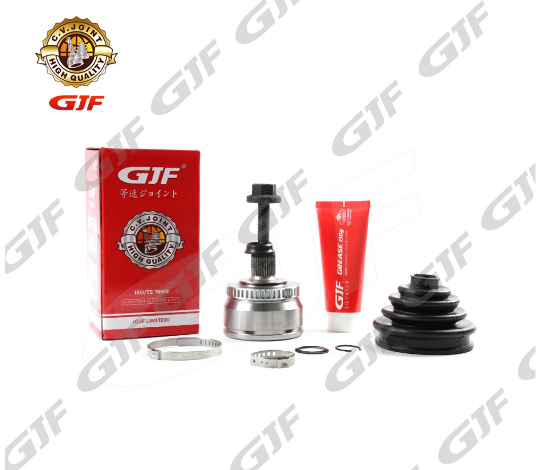
Internal vs External CV Joint Differences and Functions - GJF Auto Parts
The Constant Velocity (CV) joint is a fundamental component in the drivetrain of virtually all modern front-wheel and all-wheel drive vehicles. Its primary mission is to transmit torque from the transaxle to the wheels at a constant speed, regardless of the suspension's movement or the steering angle. However, the CV axle assembly contains two distinct joints—an inner and an outer—each with a specialized role that is often misunderstood. This misinterpretation can lead to incorrect diagnoses, unnecessary parts replacement, and increased vehicle downtime. Understanding the critical distinction between the inner joint's role in suspension articulation and the outer joint's function in steering is paramount. This technical guide provides a clear framework for identifying specific failure points, understanding quality benchmarks, and optimizing procurement for long-term operational reliability.
07
Apr
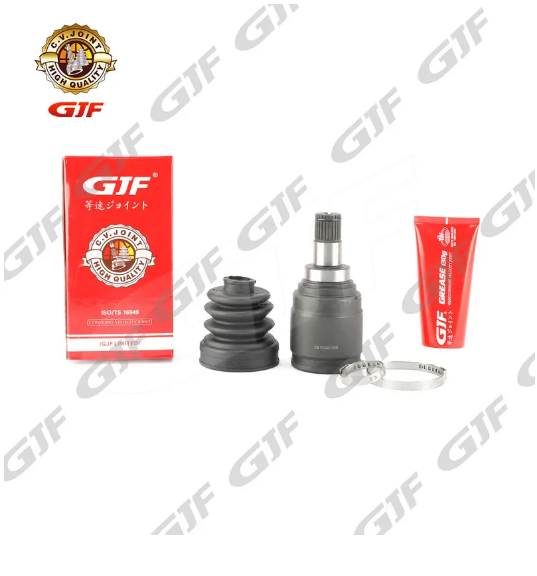
CV Joint Maintenance Tips to Extend Service Life - GJF Auto Parts
The sudden, rhythmic clicking from a front wheel during a turn is more than an annoyance; it's the sound of an impending, and often expensive, drivetrain failure. Many vehicle owners face the economic reality of this problem, weighing the cost of preventive care against a premature and costly axle replacement. The Constant Velocity (CV) joint is a marvel of mechanical engineering, essential for transferring torque from the transmission to the wheels in modern front-wheel and all-wheel drive vehicles. It allows the drive shaft to transmit power through a variable angle, at a constant rotational speed, without a significant increase in friction or play. This guide provides a professional technical framework for extending the service life of an Auto CV Joint. You will learn how proactive inspection, correct lubrication, and high-quality component selection can save you hundreds, if not thousands, of dollars over the life of your vehicle.
31
Mar
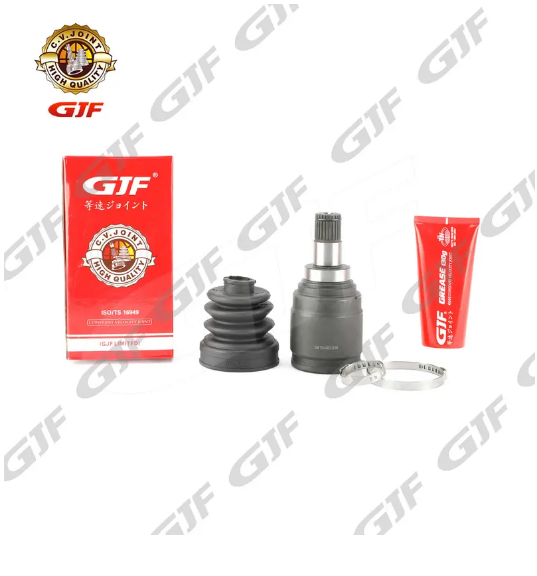
Step by Step CV Joint Installation for Beginners - GJF Auto Parts
That rhythmic, clicking sound your car makes on tight turns is more than an annoyance; it's a clear signal from your drivetrain. The constant velocity (CV) joint is a critical component that transfers torque from your transmission to the wheels, allowing them to turn and absorb bumps. Tackling a CV joint replacement yourself can save you hundreds in labor costs, but it's a job where precision is paramount. This guide is designed for the ambitious beginner, providing a clear roadmap to navigate this essential repair. We will walk you through everything from diagnosing the failure and sourcing the correct parts to the step-by-step installation and crucial final checks. You will learn the difference between a simple boot repair and a full assembly replacement, ensuring you do the job right the first time for a safe, reliable outcome.
11
Mar
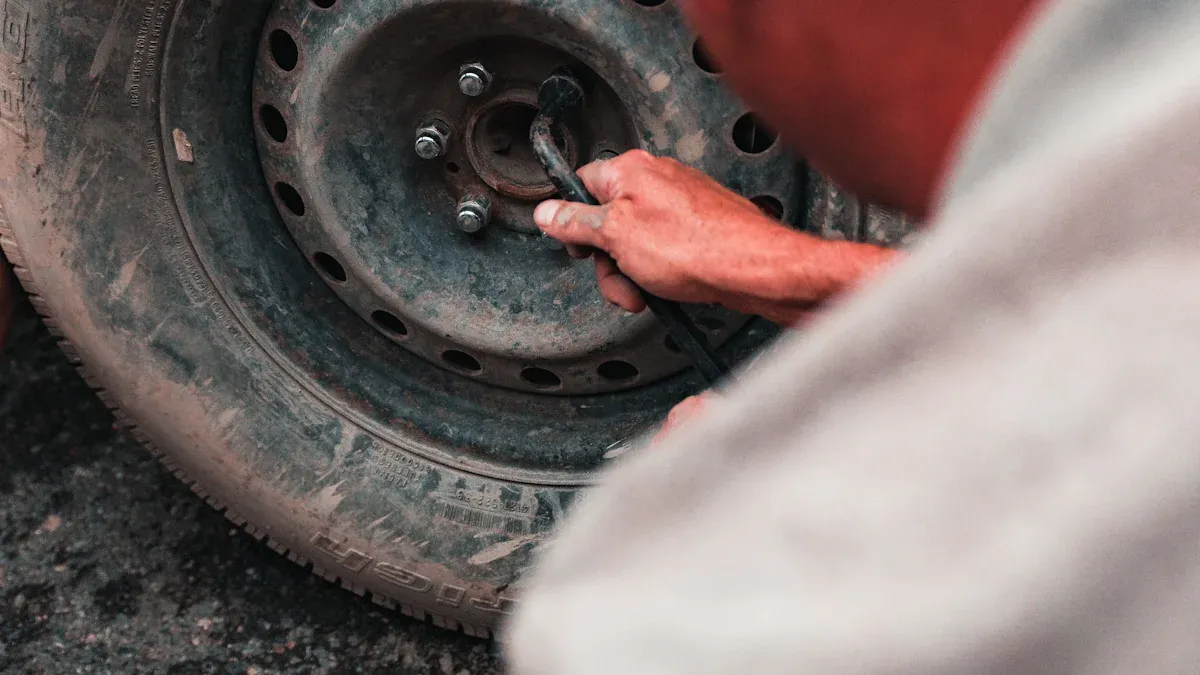
How to Replace a Wheel Hub Bearing Step by Step - GJF Auto Parts
You can make your car safe by changing a bad wheel hub bearing. Many people do not know that about 22% of car problems are from wheel bearing issues. If you use a good part like the GJF Wheel Hub Bearing, your car will work better. It will have less friction and last longer. Bad bearings can make noise and shake your car. This can be dangerous for you. With the right tools and planning, you can fix this yourself. Always look at your car manual and ask an expert if you are not sure.
09
Mar
Guía de reparación y costes de sustitución de la junta homocinética interior para 2026 - GJF Auto Parts
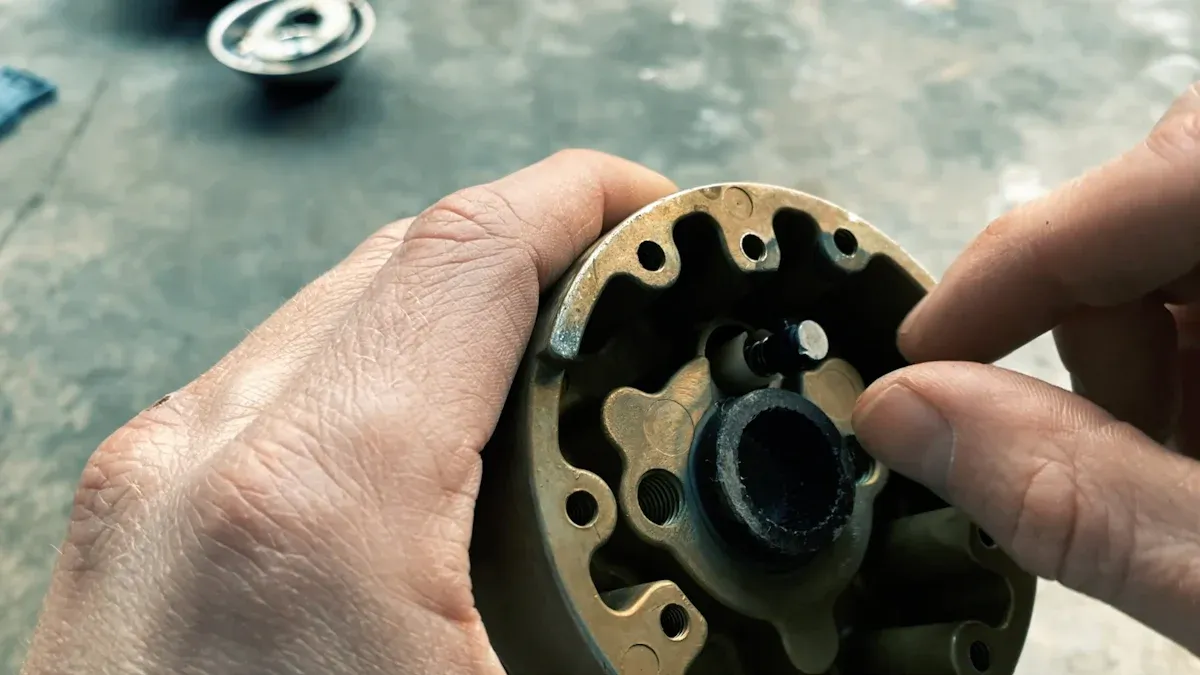
Según los datos más recientes del mercado, es probable que en 2026 tengas que pagar entre 180 y 400 dólares por la sustitución de una junta homocinética interior. La junta homocinética interior transmite la potencia del motor a las ruedas. Contribuye a que el coche circule con suavidad, incluso en carreteras con baches. Repararla a tiempo es importante para tu seguridad y para el rendimiento de tu coche.
06
Mar
¿Para qué sirve el eje intermedio en los coches? - GJF Auto Parts
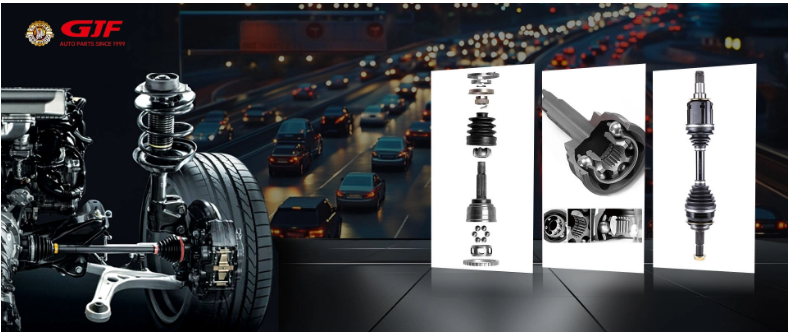
¿Notas unos ruidos extraños e inexplicables al pisar el acelerador? ¿Notas un juego alarmante en el volante? Quizás sientas unas vibraciones extrañas que se intensifican a medida que aumentas la velocidad. Si tienes en tus manos un presupuesto de reparación en el que se menciona un «eje intermedio», probablemente te sientas confundido. Los mecánicos utilizan este término técnico a menudo, pero rara vez explican su función real. Hoy queremos desmitificar este componente fundamental para ti.
04
Mar
¿Cuánto duran realmente las fundas de las juntas homocinéticas? - GJF Auto Parts
Una funda rota puede parecer un problema menor relacionado con la goma. Sin embargo, supone una cuenta atrás hacia un fallo catastrófico del eje. No puedes considerar una funda dañada como una simple molestia aislada. Supone una amenaza directa para todo el sistema de transmisión. Decidir cuándo y cómo sustituir esta funda es de vital importancia. Detectar el daño a tiempo determina el coste de la reparación. O bien cambias ahora una pieza de goma barata o bien acabas comprando un eje completamente nuevo más adelante. Esta elección influye de manera fundamental en el coste total de propiedad. Los componentes originales ofrecen una referencia predecible en cuanto a durabilidad. Una funda de junta homocinética fiable protege los rodamientos internos de las inclemencias del tiempo. Pero cuando llega el momento de las reparaciones, los materiales del mercado de recambios y las estrategias de instalación cambian las reglas del juego. Descubrirás exactamente cuántas millas puedes esperar de estas piezas cruciales. Analizaremos las ventajas e inconvenientes de los materiales, las etapas de agravamiento de los síntomas y los aspectos económicos reales que hay detrás de tus opciones de sustitución.