
Sobre GJF
GJF se rige por la filosofía de cooperación basada en «integridad, innovación, altruismo y beneficio mutuo». Nos dedicamos de todo corazón a servir a nuestros clientes y nuestro objetivo es lograr situaciones de beneficio mutuo en el futuro mercado de recambios de automoción.
Obtener presupuesto gratis
Noticias

25
Nov
What Happens When An Intermediate Shaft Fails? - GJF Auto Parts
The intermediate shaft plays a crucial role in the automotive transmission system, serving as a vital component that transmits torque from the engine to the wheels. Its failure can lead to significant mechanical issues, affecting vehicle performance and safety. Understanding the implications of an intermediate shaft failure is essential for automotive professionals and enthusiasts alike. This article delves into the causes, effects, and solutions related to intermediate shaft failures, providing a comprehensive analysis of this critical automotive component. For more detailed information on intermediate shafts, you can explore the Intermediate Shaft section on our website.
Understanding the Intermediate Shaft
The intermediate shaft is a component of the drive shaft assembly, which is integral to the vehicle's drivetrain. It connects the transmission to the differential, facilitating the transfer of power to the wheels. The design and function of the intermediate shaft vary depending on the vehicle's make and model, but its primary purpose remains consistent: to ensure efficient power delivery and smooth vehicle operation.
In vehicles, especially those with front-wheel drive, the intermediate shaft is crucial for balancing the torque distribution between the wheels. It compensates for the different lengths of the drive shafts, ensuring that both wheels receive equal power. This balance is essential for maintaining vehicle stability and handling, particularly during acceleration and cornering.
Causes of Intermediate Shaft Failure
Intermediate shaft failure can result from various factors, including wear and tear, manufacturing defects, and improper maintenance. Over time, the constant rotational forces and mechanical stresses can lead to material fatigue, causing the shaft to weaken and eventually fail. Additionally, exposure to harsh environmental conditions, such as extreme temperatures and corrosive substances, can accelerate the degradation of the shaft material.
Manufacturing defects, such as improper heat treatment or material inconsistencies, can also contribute to premature shaft failure. These defects may not be immediately apparent but can manifest over time as the shaft undergoes repeated stress cycles. Regular inspection and maintenance are crucial for identifying potential issues before they lead to catastrophic failure.
Symptoms of Intermediate Shaft Failure
Detecting intermediate shaft failure early can prevent further damage to the vehicle's drivetrain. Common symptoms include unusual noises, such as clunking or grinding sounds, emanating from the vehicle's undercarriage. These noises often occur during acceleration, deceleration, or when turning, indicating that the shaft may be misaligned or damaged.
Another symptom is excessive vibration felt through the steering wheel or the vehicle's body. This vibration can result from an imbalanced or bent shaft, which disrupts the smooth transfer of power to the wheels. In severe cases, a failed intermediate shaft can lead to a loss of power transmission, rendering the vehicle immobile.
Impact of Intermediate Shaft Failure
The failure of an intermediate shaft can have significant repercussions on a vehicle's performance and safety. A compromised shaft can lead to uneven torque distribution, affecting the vehicle's handling and stability. This imbalance can increase the risk of accidents, particularly during high-speed maneuvers or in adverse driving conditions.
Furthermore, a failed intermediate shaft can cause collateral damage to other drivetrain components, such as the transmission, differential, and CV joints. The resulting repairs can be costly and time-consuming, emphasizing the importance of timely diagnosis and intervention. For those interested in learning more about drivetrain components, the Product section offers valuable insights.
Preventive Measures and Solutions
Preventing intermediate shaft failure involves regular maintenance and inspection of the drivetrain components. Routine checks can identify signs of wear and tear, allowing for timely replacement of the shaft before it fails. Using high-quality replacement parts, such as those adhering to OE specifications, can enhance the durability and performance of the drivetrain.
Proper lubrication is also essential for reducing friction and preventing overheating of the shaft and its associated components. Ensuring that the vehicle's suspension and alignment are correctly adjusted can minimize stress on the intermediate shaft, prolonging its lifespan.
Conclusion
The intermediate shaft is a critical component of the automotive drivetrain, and its failure can have far-reaching consequences. Understanding the causes, symptoms, and impacts of intermediate shaft failure is essential for maintaining vehicle performance and safety. By implementing preventive measures and using high-quality replacement parts, vehicle owners can mitigate the risks associated with intermediate shaft failure.
FAQs
1. What is the function of an intermediate shaft in a vehicle?
The intermediate shaft connects the transmission to the differential, facilitating the transfer of power to the wheels and ensuring efficient power delivery and smooth vehicle operation.
2. What are the common causes of intermediate shaft failure?
Common causes include wear and tear, manufacturing defects, improper maintenance, and exposure to harsh environmental conditions.
3. How can I detect a failing intermediate shaft?
Symptoms include unusual noises, excessive vibration, and a loss of power transmission, often felt through the steering wheel or vehicle body.
4. What are the consequences of intermediate shaft failure?
Failure can lead to uneven torque distribution, affecting vehicle handling and stability, and may cause damage to other drivetrain components.
5. How can I prevent intermediate shaft failure?
Regular maintenance, using high-quality parts, proper lubrication, and ensuring correct suspension and alignment can prevent failure.
6. Are there specific models more prone to intermediate shaft issues?
While all vehicles can experience shaft issues, those with front-wheel drive or specific manufacturing defects may be more susceptible.
7. Where can I find high-quality intermediate shafts?
High-quality intermediate shafts can be found on our Intermediate Shaft page, offering products that meet OE specifications.
Etiquetas :
Publicaciones recientes
Artículos relacionados
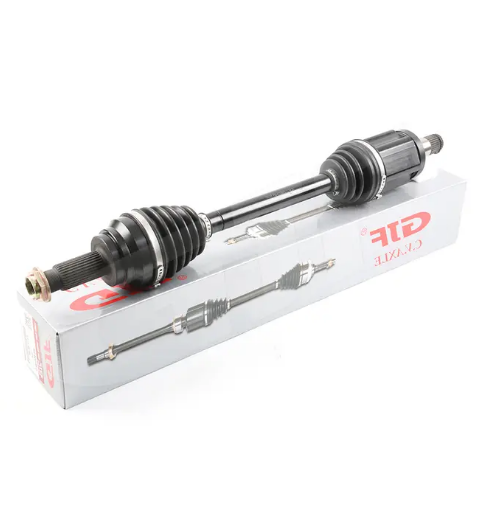
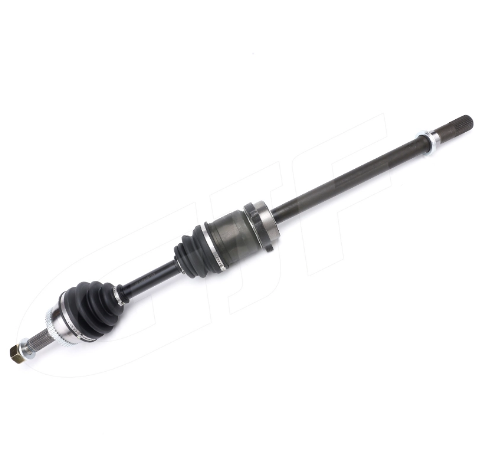
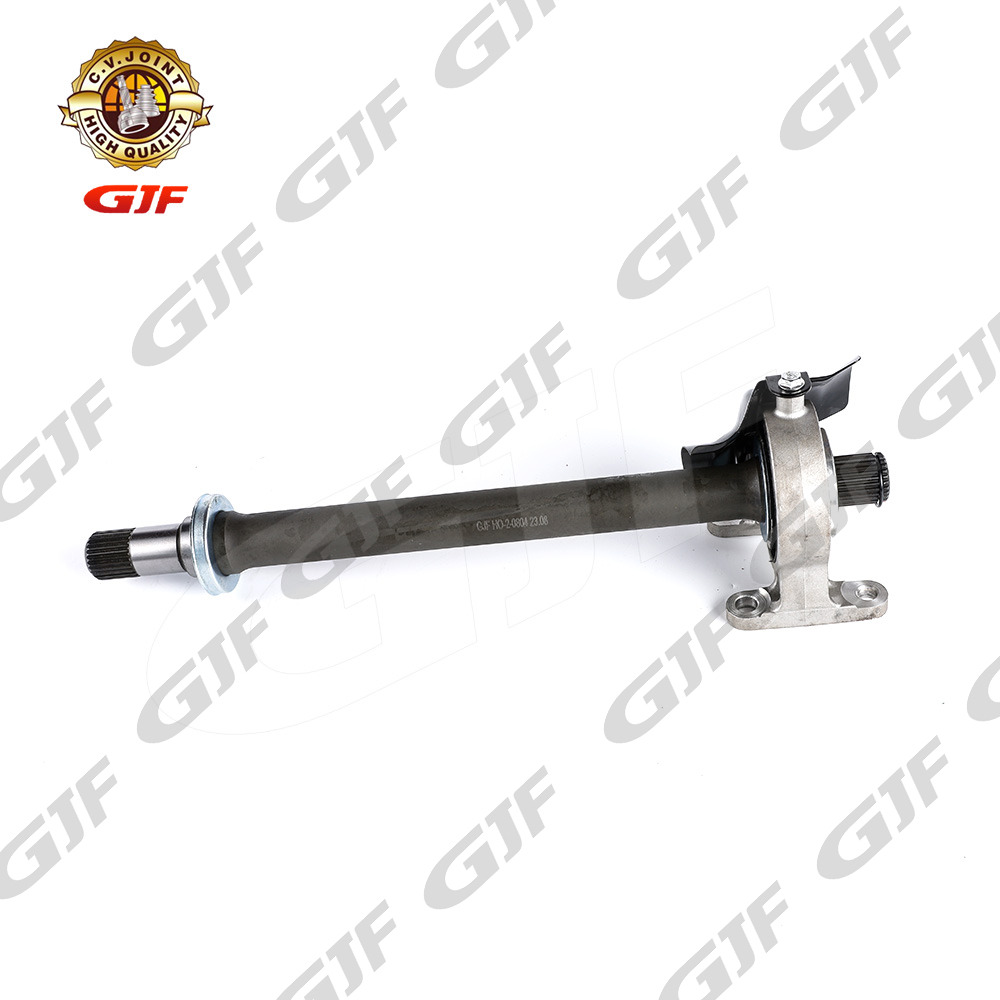
44500-SWA-A00 Right Intermediate Shaft For Honda CR-V RE4
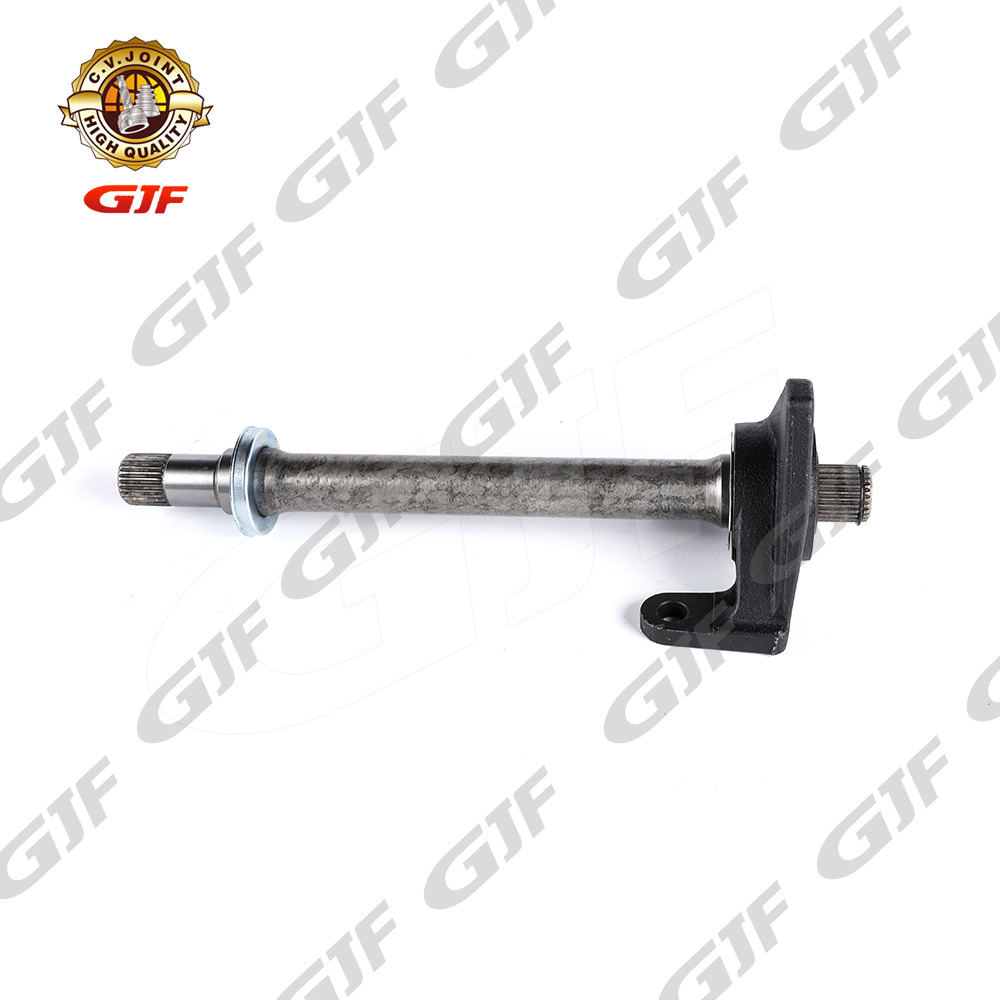
44500-T6P-H50 Axle Intermediate Shaft For Honda Crider CRV
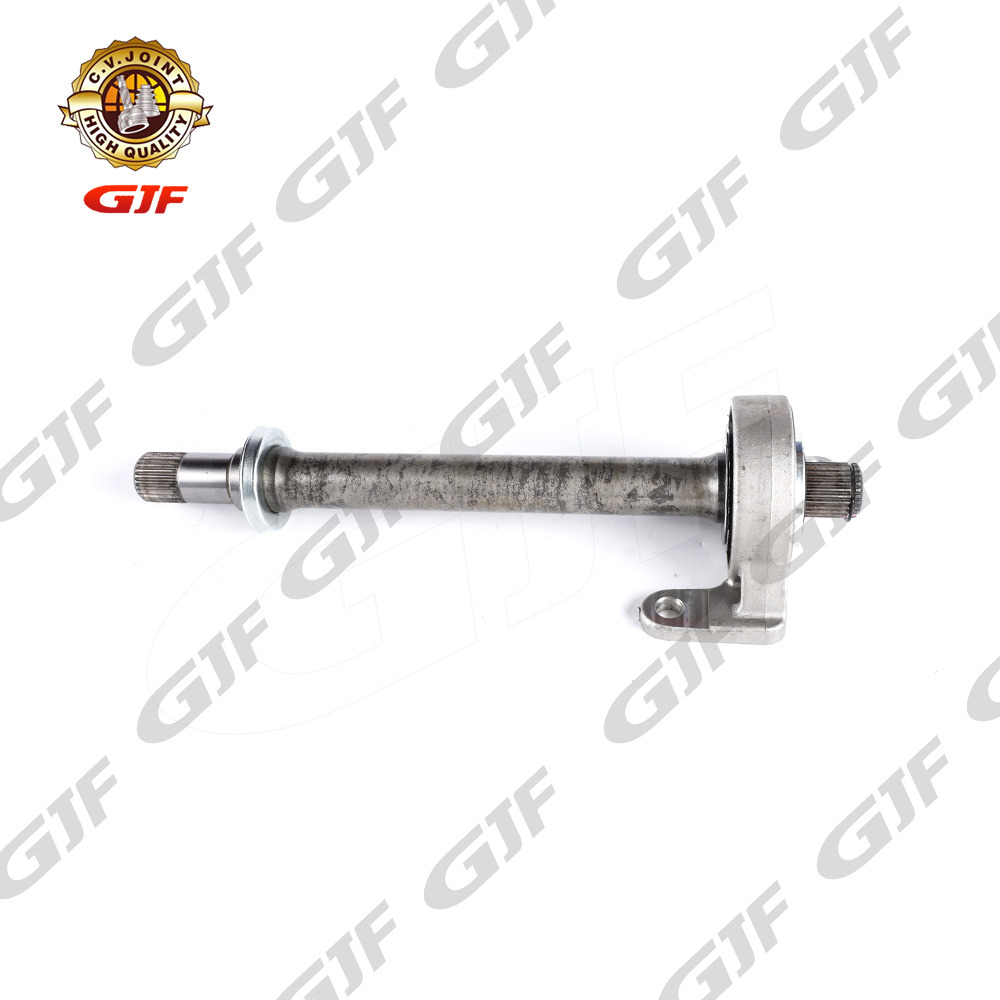
Car Parts CV Axle Intermediate Shaft For Honda CIVIC FA1 HO-2-0701
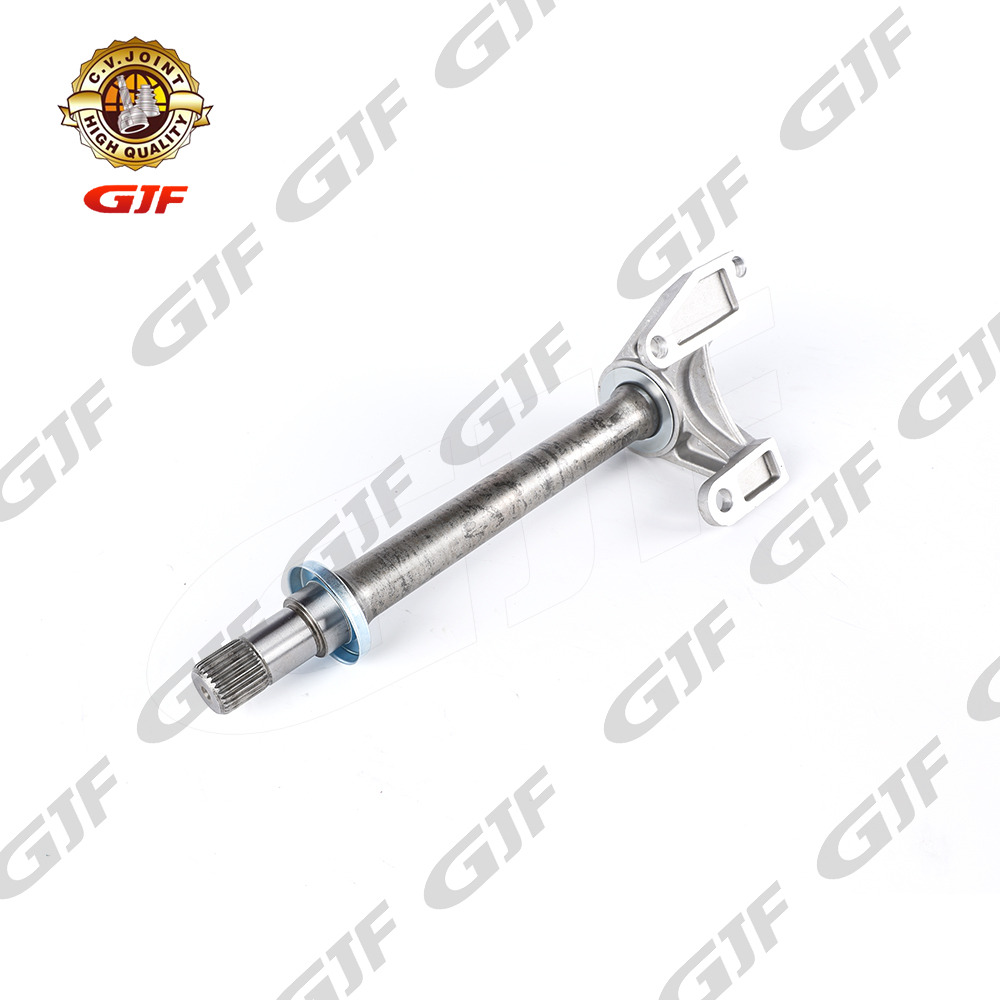
Auto Parts Transmission Intermediate Shaft For Honda Accord Spirior 44500-SMA-J00
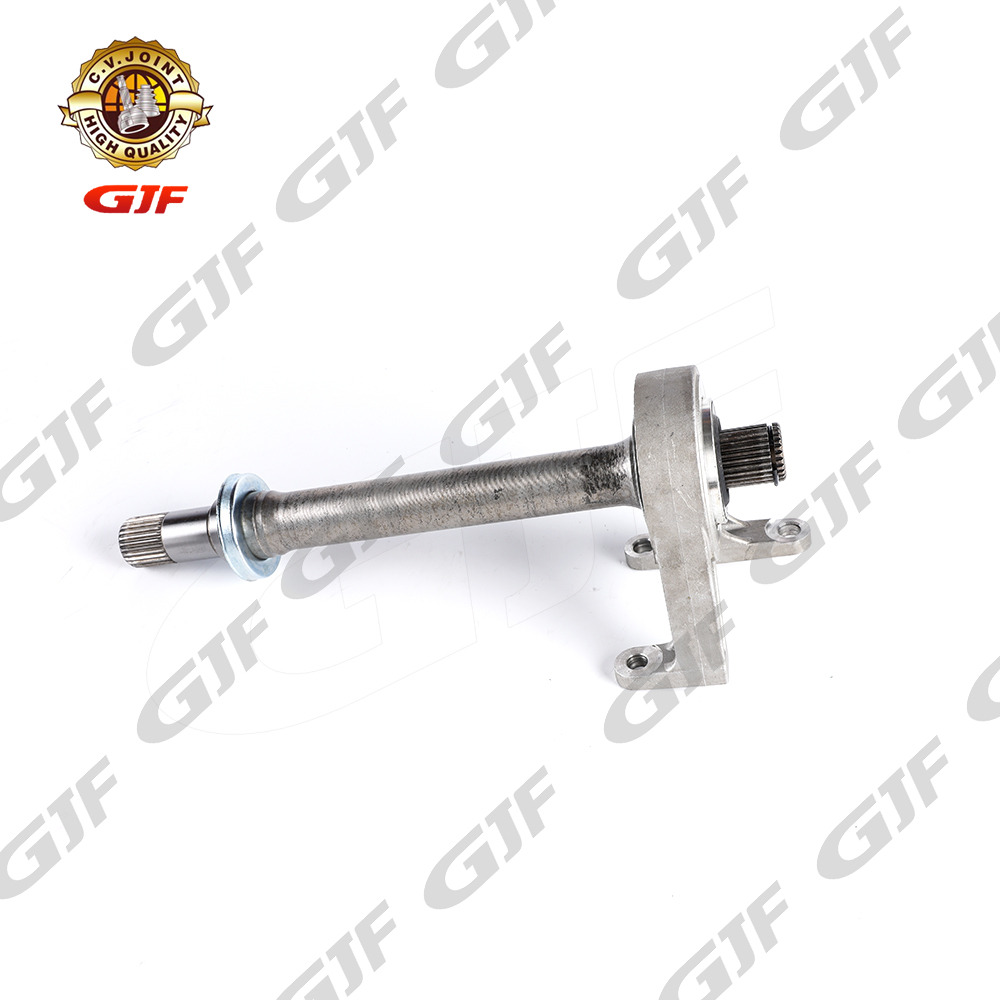
Auto Parts Intermediate Shaft For Honda CR-V Elysion Odyssey Accord 44500-T2L-H00
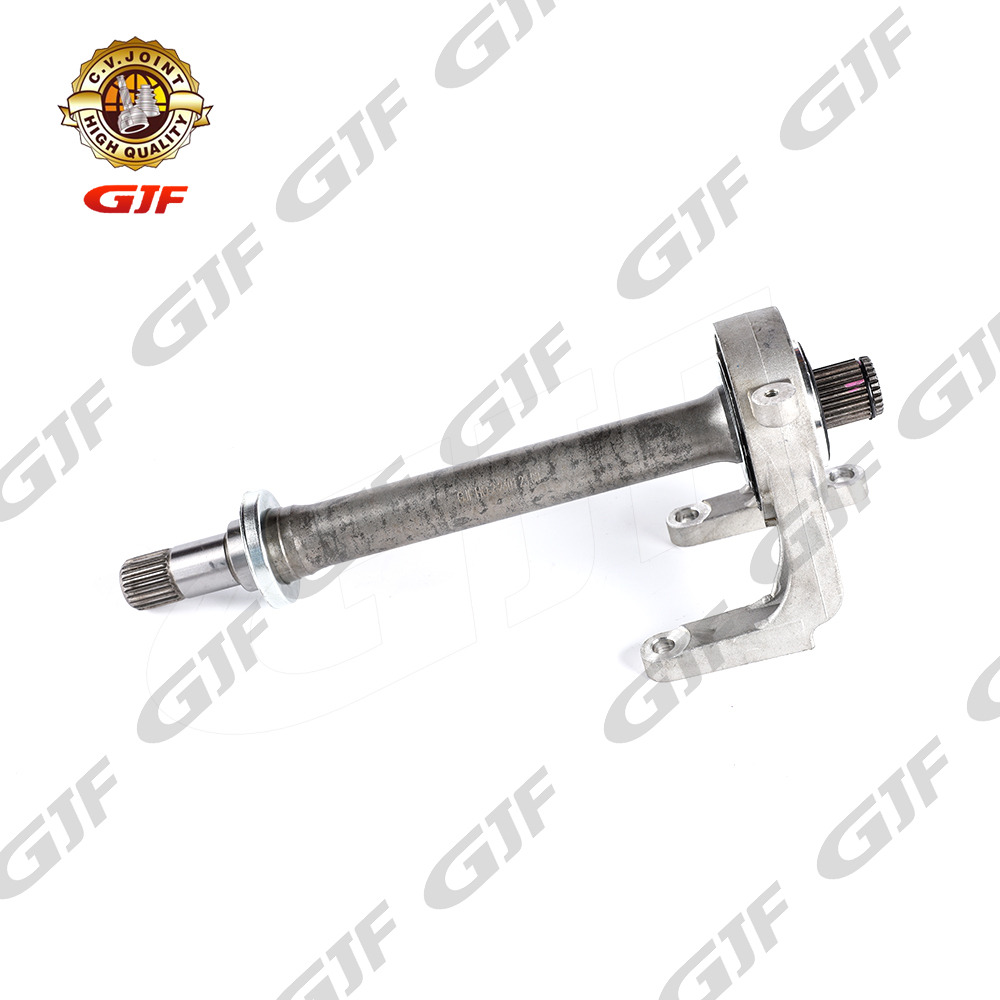
Car Parts Axle Intermediate Shaft For Honda XR-V VEZEL 44500-T7A-000
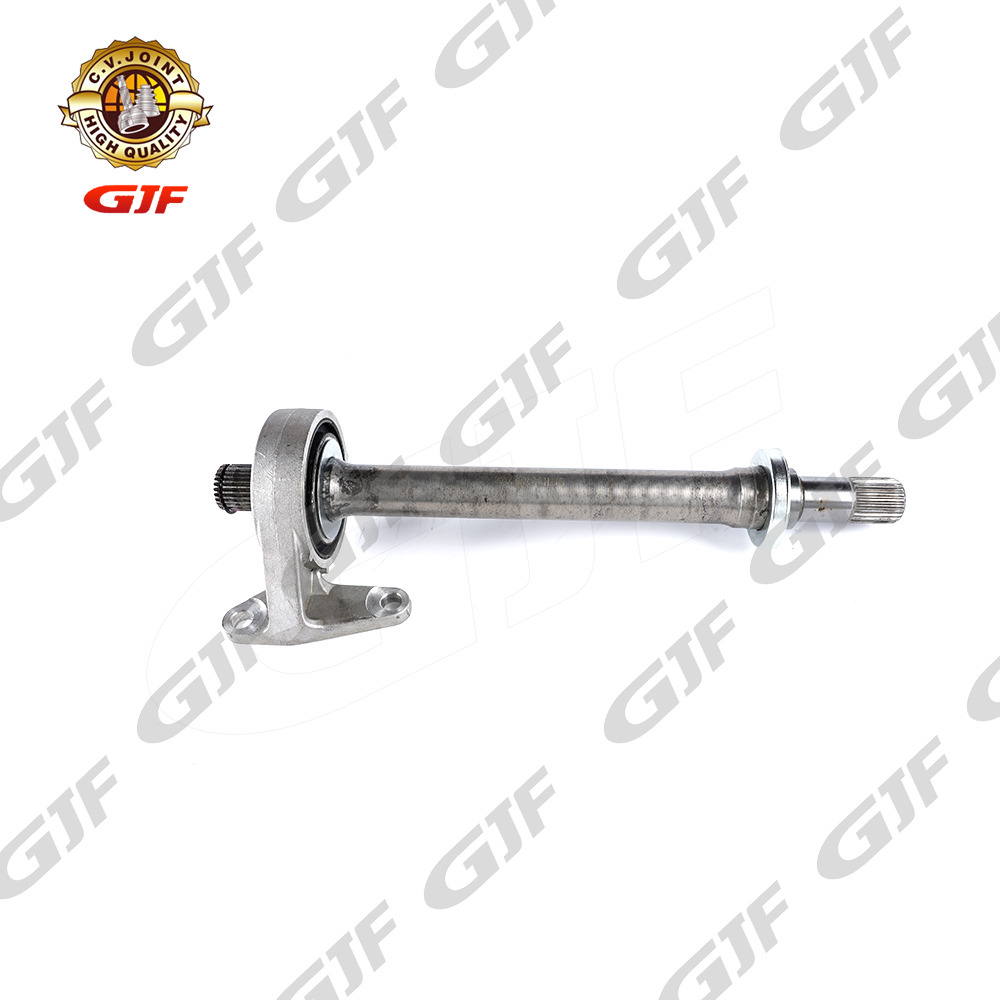
Auto Transmission Parts Intermediate Shaft For Honda XR-V VEZEL 44500-T7J-H00
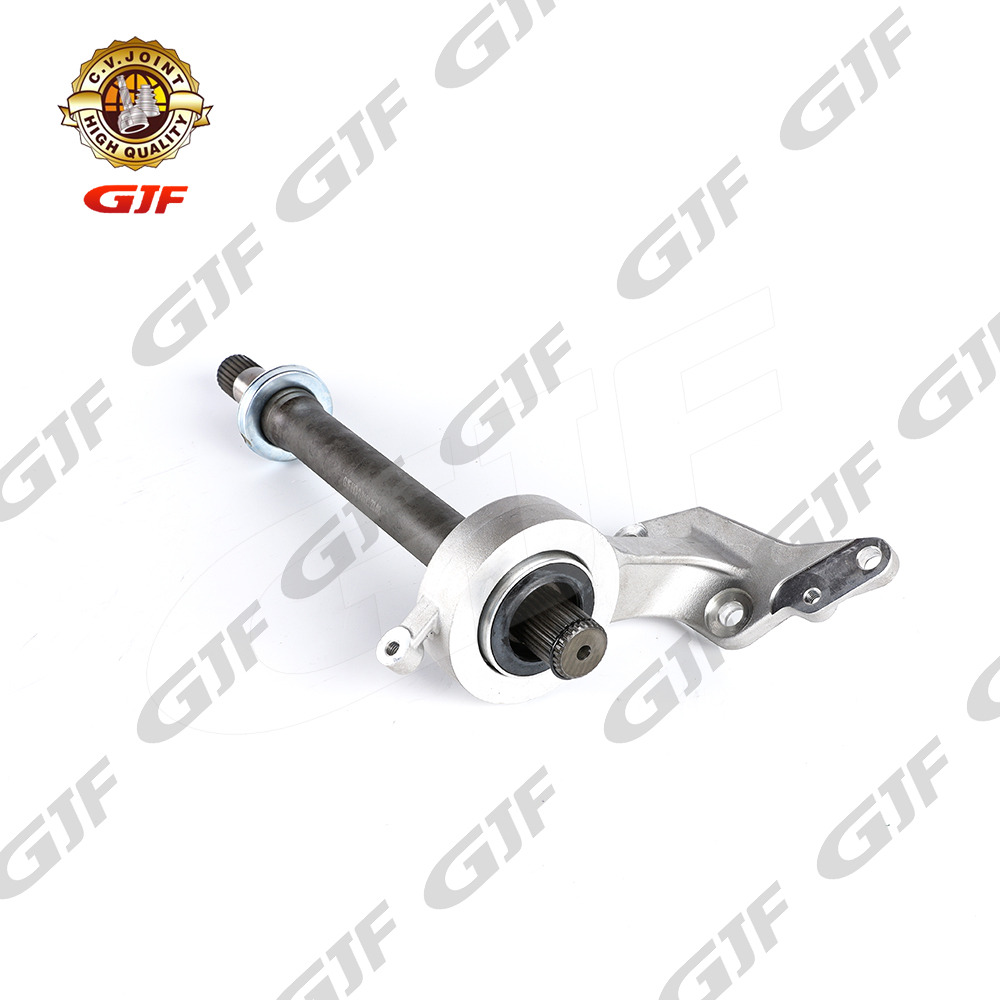
Car Parts Intermediate Shaft Assembly For Honda City Fit 44500-TF0-Y00
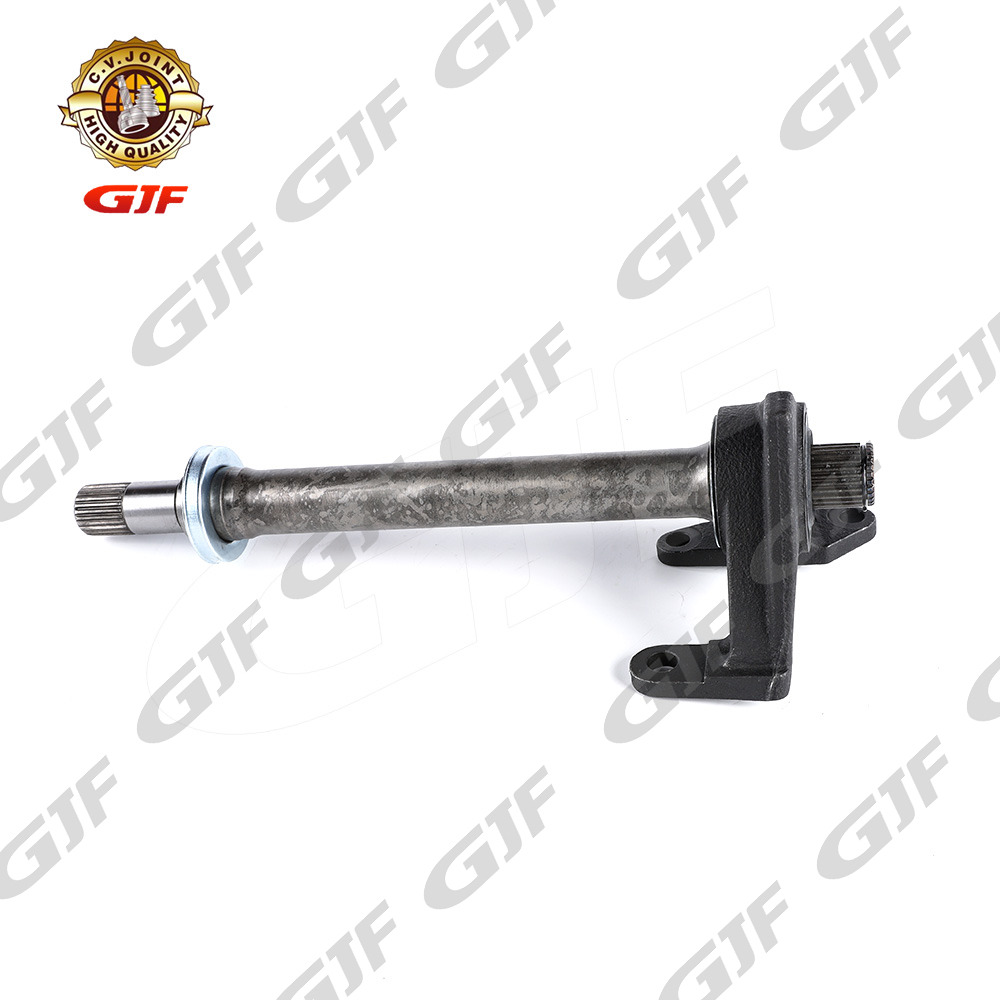
Spare Parts Axle Intermediate Shaft For Honda City Crider 44500-TM5-000
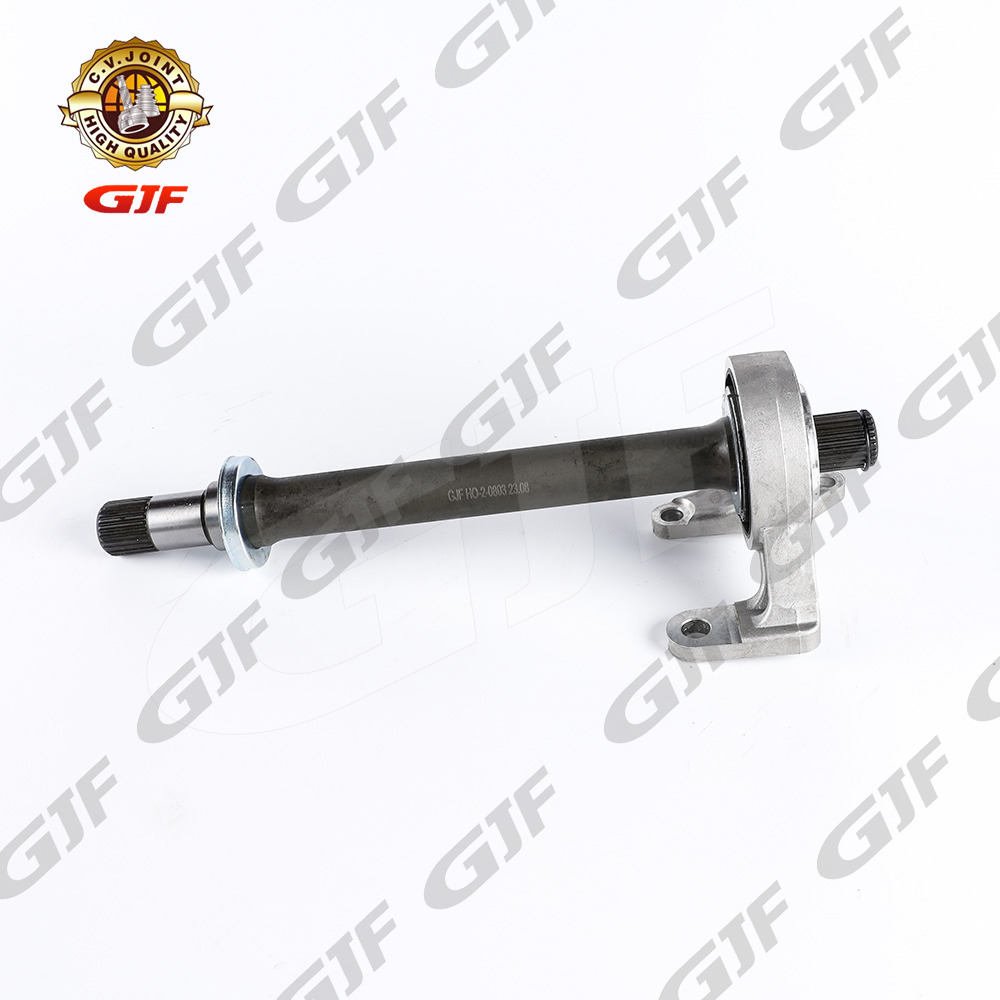
Auto Parts Intermediate Shaft Assembly For Honda CR-V CIVIC 44500-SWC-E00